
Why Staffing Agencies Are Ditching Intent Data for Direct Introductions

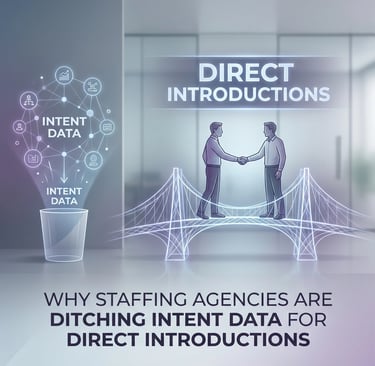
I've witnessed firsthand how staffing agencies have been chasing the latest "game-changing" lead generation tactics for years. Intent data was supposed to be the holy grail, finally, we could identify companies actively researching hiring solutions and swoop in at the perfect moment. But here's what I'm seeing in 2025: the smartest staffing agencies are quietly shifting their focus from intent signals to something much simpler and more effective.
They're prioritizing direct, warm introductions.
Before you think this is just another trend, let me share why this shift is happening and why it might be exactly what your agency needs to break through the noise.
The Intent Data Reality Check
When intent data first launched, like many professionals in the staffing space, I was genuinely excited. The promise was compelling: know exactly when a company starts researching staffing solutions, reach them before your competition, and close deals faster.
But here's the catch, intent data comes with some serious limitations that most vendors don't talk about.

The Timing Gap Problem
First-party intent data (tracking behavior on your own website) gives you deep insights about prospects who are already engaging with your content. But you might not get that crucial initial alert when a brand-new company becomes interested in staffing services. By the time they hit your website, they may have already been researching for weeks.
Third-party intent data solves the timing issue by alerting you when companies are browsing staffing-related content across the web. However, you're often left with incomplete contact details or outdated information, causing you to miss the opportunity entirely.
The "Everyone Else Got the Same Signal" Issue
Think about it, if your intent data provider identified that a company is researching staffing solutions, every other agency using that same platform got the exact same alert. You're not getting a competitive advantage; you're entering a race with a dozen other firms who all received the identical signal at the same time.
The Buyer Journey Reality
Research shows that the average B2B buyer is typically most of the way through their buyer journey before they ever engage with a salesperson. In staffing, this means companies have often already shortlisted their preferred agencies by the time your intent-based outreach reaches them.
Why Direct Introductions Are Winning
So what's driving staffing agencies toward direct introductions instead? Let's dive into the compelling advantages that are making this approach irresistible.
The Ripple Effect
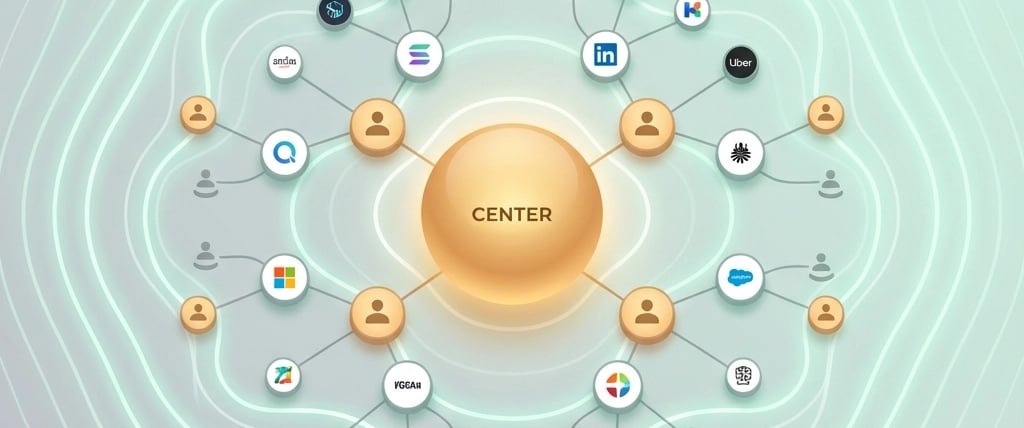
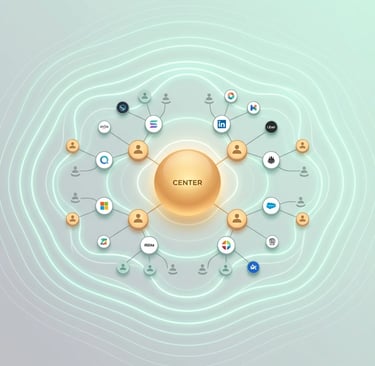
One warm introduction can create a cascade of opportunities that intent data simply can't match. Take Sarah, a staffing firm owner I know who landed a single warm intro to a growing SaaS company. That introduction led to a pilot placement, which generated a stellar testimonial, which then opened doors to three more companies in the founder's network.
Don't underestimate small wins here. One warm intro can lead to a pilot role, which leads to a testimonial, which opens the door to outbound efforts with real social proof behind them.
Immediate Context and Credibility
When someone you trust refers a staffing agency, the entire dynamic changes. Instead of starting from zero credibility and fighting through skepticism, you begin the conversation with built-in trust. The prospect already believes you're worth their time because someone they respect vouched for you.
Compare that to cold outreach based on intent data: "Hi, I noticed your company has been researching staffing solutions..." versus "Hi, Maria suggested I reach out because you mentioned you're looking to scale your sales team quickly."
Which conversation would you rather have?
Specificity Advantage
Direct introductions allow for incredibly specific positioning right from the start. Instead of generic outreach about "staffing solutions," you can lead with something like: "We help remote-first SaaS companies hire pre-vetted SDRs in under 10 days" because the person making the introduction already knows your specialty and the prospect's specific need.
This specificity makes it dramatically easier for your referral sources to make qualified introductions that actually convert.
How to Build Your Introduction Engine
If you're ready to prioritize direct introductions, here's how to build a system that consistently generates warm referrals:
Map Your Network Strategically
Start by identifying everyone in your professional network who regularly interacts with your ideal clients. This includes:
Former clients who loved working with you
Vendors who serve the same industries (HR tech, payroll, benefits)
Consultants and fractional executives
Other service providers (legal, accounting, marketing)
Industry association contacts
Make It Easy to Refer You
Create a simple one-liner that describes exactly who you help and how. Something like: "I help growing B2B companies hire sales development reps without the 6-month learning curve." Your network needs to understand precisely when to think of you.
Then, give them the tools to make introductions effortlessly. This could be a brief email template they can customize or even just a clear process: "If you know someone struggling to scale their sales team, just intro us via email and I'll take it from there."
Nurture Relationships Consistently
Building an introduction engine isn't a one-and-done activity. Stay visible to your network through:
Quarterly check-ins with key referral sources
Sharing relevant industry insights
Making introductions yourself (give before you get)
Celebrating wins publicly so your network sees your success
The Hybrid Approach That Actually Works
But don't throw in the towel on intent data just yet. The most successful staffing agencies I know aren't completely abandoning intent signals: they're using them as supporting intelligence for their relationship-driven approach.
Here's how they make it work:
Use Intent Data for Relationship Mapping
Instead of using intent data for direct outreach, use it to identify which companies in your network might benefit from introductions. If you see that a company connected to one of your contacts is researching staffing solutions, that's your cue to reach out to your mutual connection.
Validate Warm Leads
When someone gives you a warm introduction, check if the company has any intent signals around staffing. This helps you understand where they are in their buyer journey and customize your approach accordingly.


Time Your Follow-ups
Intent data can help you understand when warm prospects are actively evaluating options, allowing you to time your follow-up conversations more effectively.
Making the Shift
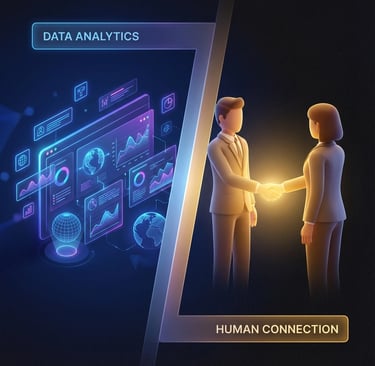
Looking forward, the agencies that will dominate their markets are those who realize that people hire people, not algorithms. While intent data can provide valuable insights, nothing replaces the trust and context that come from genuine professional relationships.
The shift toward direct introductions isn't just a trend: it's a return to the fundamental truth that staffing is a relationship business. When you have someone vouching for your expertise, you skip past the skepticism and move straight to meaningful conversations about how you can help.
If you've been relying heavily on intent data and struggling with conversion rates, consider allocating more time and energy to building your referral network. The ROI might surprise you.


Start small: reach out to three people in your network this week and simply ask who they know that might be struggling with hiring challenges. You might be amazed at how quickly warm introductions can transform your pipeline: and how much more enjoyable the sales process becomes when prospects actually want to talk to you.
It's time to unleash the power of human connections in your staffing business. Your future clients are just one introduction away.